Skip to main content




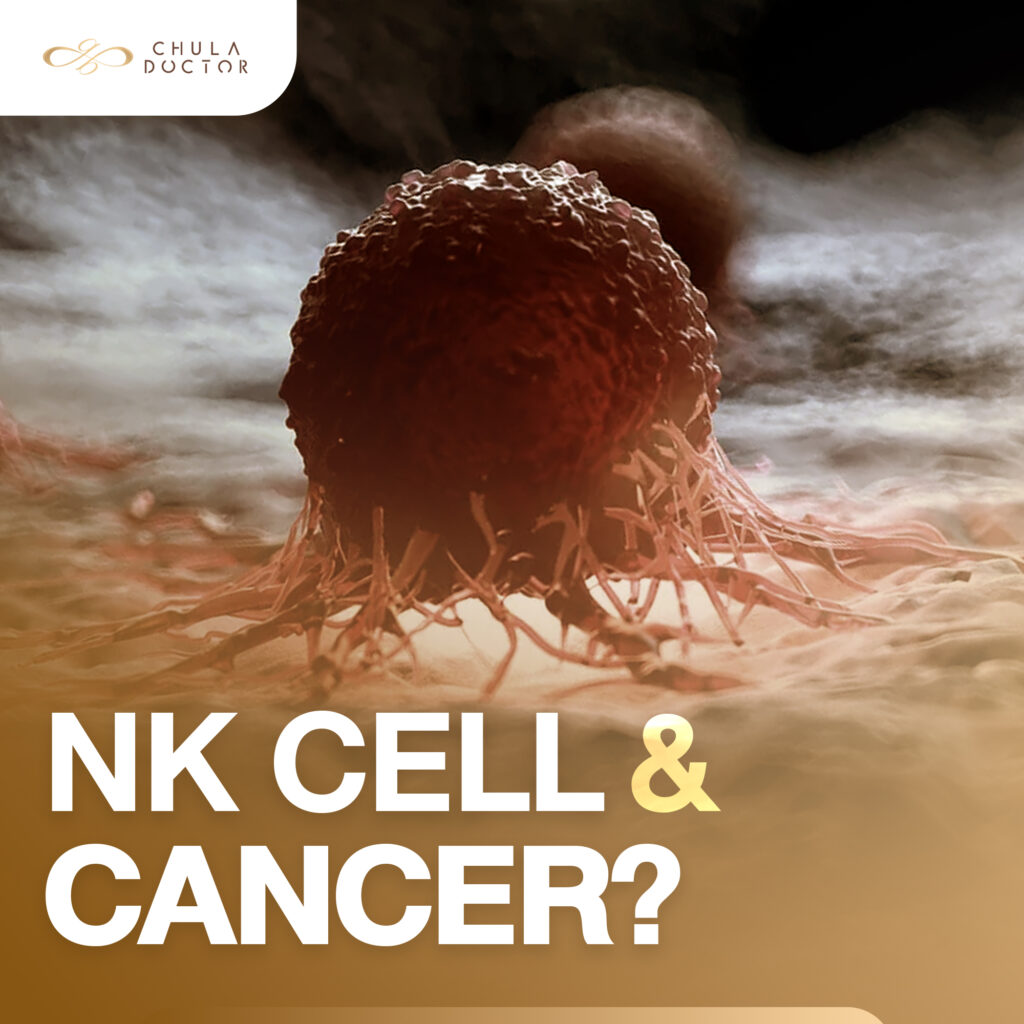
When it comes to the serious diseases that claim the most lives worldwide, “cancer” is often the first that comes to mind. The search for ways to overcome it has gone on for generations. But did you know that nature has equipped us with a powerful weapon against cancer cells from the day we are born? That weapon is hidden within our own immune system, and it is known as the “killer cell,” or NK cell.
In recent years, the fields of anti-aging medicine and immunology have shown growing interest in how these cells work. You may be wondering how NK cells and cancer are connected, and why they are being described as a new source of hope in medicine. This article takes a closer look at how this part of the immune system works, and shares practical ways to care for yourself and reawaken the “killer” power within your body.
What Are NK Cells, the Body’s Natural Killer Cells?
NK cells (Natural Killer cells) are a type of white blood cell belonging to the lymphocyte family. They act as the “front-line troops” of the innate immune system.
What makes NK cells different from other white blood cells is their ability to tell normal cells from abnormal ones immediately, without needing to be alerted by other cells first (prior sensitization). Whenever a foreign invader, a virus, or a cell on its way to becoming cancerous slips into the body, NK cells are among the first responders, moving in to destroy the threat before it can spread and develop into disease.

How Are NK Cells and Cancer Connected?
The relationship between NK cells and cancer is like an ongoing game of cat and mouse happening inside the body at all times. Every day, the human body produces new cells to replace old ones, and in that process mistakes inevitably occur, creating mutated cells that could potentially develop into cancer. One reason we don’t develop cancer every day is that NK cells are constantly on watch, finding and removing these cells. Here is how they do it.
1. Scanning and Detecting with Precision
Normal cells in the human body carry a protein on their surface called MHC Class I, which works like an “ID card.” When a patrolling NK cell encounters a cell carrying this ID card, it lets the cell pass. Many cancer cells, however, are cunning: they hide or reduce their MHC Class I ID cards to avoid detection by other white blood cells. Yet this trick becomes a weakness when they meet an NK cell. As soon as an NK cell finds a cell without an ID card, it recognizes it as a cancerous or infected cell.
2. Releasing Its Weapons
Once it has locked onto its target, the NK cell moves in close to the cancer cell and releases two main chemicals that act like biological weapons:
- Perforin: Punches holes in the cancer cell’s membrane.
- Granzymes: Toxic enzymes that slip in through those holes and signal the cancer cell to self-destruct from within (apoptosis).
This entire process happens quickly and decisively, so the cancer cell is eliminated and eventually cleared from the body.

Why Do Cancer Patients Often Have Low NK Cell Levels?
Although the immune system is remarkably well designed, the number and effectiveness of NK cells gradually decline with age, especially from around the age of 30 onwards. On top of that, a number of external and lifestyle factors act as “immune suppressors,” weakening the body’s ability to fight cancer:
- Chronic stress: Triggers the release of cortisol, a hormone that suppresses white blood cell activity.
- Lack of sleep: Sleep deprivation disrupts the body clock, so the body cannot fully replenish its NK cells.
- Poor nutrition: Diets high in sugar and trans fats cause chronic inflammation at the cellular level.
- Environmental toxins: Smoking, drinking alcohol, and exposure to PM2.5 air pollution.
In addition, cancer cells themselves can produce certain chemicals that form a protective shield and suppress NK cell activity around the tumor (the tumor microenvironment), preventing white blood cells from successfully breaking through to destroy the tumor.
How Does Chemotherapy Compare with NK Cell Therapy for Cancer?
To make things clearer, here is a general comparison between a standard treatment approach and immunotherapy. Each approach has its own role, and the right treatment plan always depends on an individual assessment by your doctor.
| Comparison | Chemotherapy | Immunotherapy (NK Cells) |
| Target | Affects both normal and abnormal cells | Designed to target abnormal cells |
| Side effects | Can be significant (e.g. hair loss, nausea) | Generally milder (e.g. low-grade fever) |
| Recovery | Often takes longer | Often quicker |
How Does NK Cell Therapy for Cancer Work?
As medical science advances, a deeper understanding of the link between NK cells and cancer has led to a new form of treatment known as “immunotherapy.” The aim is to use the patient’s own killer cells as an anti-cancer treatment. NK cell therapy for cancer involves three main steps:
- Blood collection and cell separation: The doctor draws a sample of the patient’s blood and isolates the NK cells from the other white blood cells.
- Culturing and expansion: The isolated cells are cultured in a laboratory that meets strict safety standards, stimulating them to become more active and multiply many times over, into the billions.
- Infusion back into the body: This expanded, strengthened army of NK cells is infused back into the patient’s bloodstream, where the cells travel to seek out and destroy cancer cells throughout the body.
NK cell therapy for cancer is usually used alongside standard treatments such as surgery, radiotherapy, or chemotherapy. The goal is to support the overall treatment plan, help reduce treatment side effects, and help target cancer cells that may remain in the bloodstream, an important factor in lowering the risk of recurrence. Whether this approach is suitable must be decided together with your oncologist.
How Can You Boost NK Cells Naturally Through Lifestyle Changes?
For people who do not have cancer, keeping the immune system at a healthy level is an important form of prevention. Here is how to boost NK cells naturally, with steps you can start on your own today.
1. Choose Anti-Inflammatory Foods
Nutrition is the foundation of immunity. Aim for foods rich in antioxidants.
- Medicinal mushrooms: Such as shiitake, maitake, and reishi (lingzhi), which contain beta-glucan, a compound that research suggests can help stimulate NK cell activity.
- Green tea: Contains EGCG, which helps fight inflammation and protect cells from mutation.
- Berries and leafy greens: Rich in vitamin C and phytochemicals that help protect cells from damage.
- Limit refined sugar and fried foods: Diets high in sugar and fried foods promote inflammation and can weaken the immune system.
2. Exercise Regularly
Cardio exercise such as jogging, swimming, or cycling for 30-45 minutes a day boosts lymphatic circulation, helping white blood cells travel around the body and check for abnormalities more effectively. Be careful not to overdo it (overtraining), though, as excessive exercise can stress the body and weaken immunity instead.
3. Manage Stress Proactively
Mental health and physical health are inseparable. Meditation, deep breathing, yoga, or walks in green spaces help lower stress hormones and switch the immune system back into full working mode.
4. Prioritize Quality Sleep
Deep sleep is a golden window when the body releases melatonin and growth hormone, both essential for producing and restoring white blood cells. Aim for 7-8 hours of sleep each night in a dark, quiet environment.
What Do People Often Ask About NK Cells and Cancer?
1. What role do NK cells play in preventing cancer?
NK cells patrol the body and recognize abnormal cells, including cells that may become cancerous, by checking for the MHC Class I “ID card” on their surface. When they find a cell without it, they release perforin and granzymes to destroy it before it can multiply.
2. Why do NK cell levels drop?
NK cell numbers and activity naturally decline with age, especially from around 30 onwards. Chronic stress, poor sleep, a high-sugar diet, smoking, alcohol, and air pollution can lower them further.
3. Can NK cell therapy for cancer replace chemotherapy?
No. NK cell therapy is generally used alongside standard treatments such as surgery, radiotherapy, or chemotherapy, not as a replacement. Any treatment plan should be made together with an oncologist.
4. What is the easiest way to boost NK cells naturally?
Focus on the basics: anti-inflammatory foods such as mushrooms, green tea, and berries; 30-45 minutes of moderate exercise a day; regular stress management; and 7-8 hours of quality sleep each night.
5. How can I check my NK cell activity?
A blood test called an NK Cell Activity Test can measure how well your NK cells are working. Talk to a physician about whether it is appropriate for you, especially if you have a family history of cancer.
What’s the Bottom Line on NK Cells and Cancer?
Scientific progress has shown that our bodies have remarkable self-protection mechanisms. Understanding how NK cells and cancer are connected not only opens up new perspectives on treating serious disease, but also reminds us to keep the “army” inside our own bodies strong.
For patients, NK cell therapy for cancer is another option to discuss with their care team, one that may help improve quality of life and ease the burden of conventional treatment. For everyone else, putting these tips on how to boost NK cells naturally into daily practice, through healthy eating, regular exercise, and enough rest, is a sustainable way to build your body’s defenses.
If you have concerns about your health or a family history of cancer, an immune function blood test (NK Cell Activity Test) with a physician specializing in anti-aging medicine is a good place to start assessing your risk and planning preventive care, so you can live each day with confidence and genuine good health.