Skip to main content



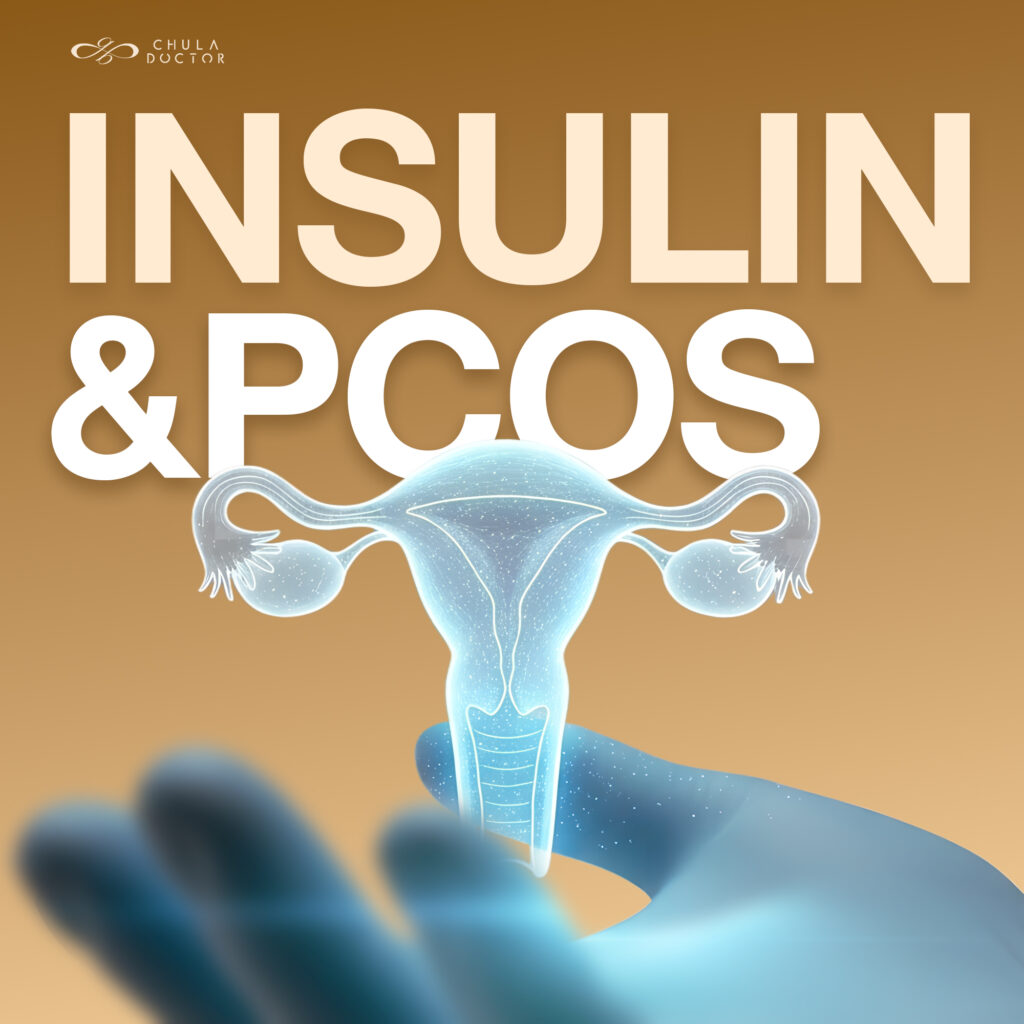
For women dealing with weight gain that seems impossible to control, persistent breakouts, irregular or missed periods, or unusual facial and body hair, these symptoms often lead to a medical diagnosis called polycystic ovary syndrome, or PCOS. The condition causes a great deal of worry and can take a real toll on a woman’s confidence.
But did you know that beneath the problems in the ovaries, there is often a hidden mechanism pulling the strings behind the scenes? That mechanism is insulin resistance. You may wonder how a problem with the way the body processes sugar could be linked to the reproductive system. This article explains how insulin resistance and PCOS are connected, looks closely at the warning signs, and outlines self-care steps to help bring your hormones back into balance.

What Are PCOS and Insulin Resistance?
Before looking at how they are linked, it helps to understand how each condition works.
- PCOS (polycystic ovary syndrome): An endocrine disorder in women of reproductive age that prevents regular ovulation. When eggs are not released, they remain as small fluid-filled follicles in the ovaries, and levels of male hormones (androgens) rise, leading to acne, excess hair growth and irregular periods.
- Insulin resistance: Insulin is a hormone made by the pancreas that moves sugar into cells to be used for energy. Insulin resistance happens when the body’s cells stop responding properly to insulin, so the pancreas has to produce more and more of it to push sugar into the cells. The result is abnormally high levels of insulin circulating in the blood, known as hyperinsulinemia.

How Are Insulin Resistance and PCOS Connected?
Medical research has found that more than 70% of women with PCOS also have underlying insulin resistance, whether they are overweight or slim. The relationship between insulin resistance and PCOS is a two-way cycle in which each condition makes the other worse, in the following ways.
1. Insulin stimulates the ovaries to produce male hormones
When the body is insulin resistant, the excess insulin in the blood reaches the ovaries and stimulates them to produce more male hormones (testosterone) than the body needs. These raised male hormone levels interfere with the development of egg follicles, preventing ovulation and causing missed periods. They also produce male-pattern features such as chronic inflammatory acne, oily skin and facial hair.
2. Insulin lowers the protein that binds sex hormones
High insulin levels prevent the liver from producing a protein called SHBG (sex hormone-binding globulin), which binds to male hormones in the bloodstream. When SHBG falls, the amount of free male hormones in the blood rises and acts more strongly, making PCOS symptoms more severe.
3. Insulin promotes fat storage around the abdomen
Insulin is the hormone that tells the body to store fat. When insulin levels stay high all the time, women with PCOS gain weight easily, find it hard to lose, and tend to store fat around the abdomen (visceral fat). This abdominal fat releases inflammatory substances that make cells even more insulin resistant, creating a vicious cycle that harms overall health.
Do You Have These PCOS Insulin Resistance Symptoms?
Noticing changes in your body early allows you to act in time. If you already have PCOS, check whether any of these PCOS insulin resistance symptoms apply to you.
- Dark, thickened patches on the neck and skin folds (acanthosis nigricans): Dark brown or black patches of thick, rough skin, usually on the back of the neck, armpits or groin, that do not scrub off. This is one of the clearest warning signs of insulin resistance.
- Easy weight gain and very difficult weight loss: Even with strict dieting and hard exercise, the weight will not come off, especially a noticeably protruding belly.
- Constant hunger and sugar cravings: Because cells cannot use sugar properly, the brain keeps signaling hunger, especially cravings for starch and sugar.
- Fatigue and brain fog: Feeling sluggish and sleepy, especially after a large meal.
- Skin tags: Small growths of skin on the neck or chest, caused by insulin stimulating the growth of skin cells.
How Does PCOS Differ With and Without Insulin Resistance?
| Symptom | With insulin resistance | Without insulin resistance |
| Body weight | Gains easily, hard to lose | Usually normal |
| Skin in body folds | Dark, velvety patches | Normal |
| Hunger | Strong sugar cravings | Normal |

What Does PCOS Insulin Resistance Treatment Involve?
The relationship between insulin resistance and PCOS may seem complex and worrying, but the good news is that insulin resistance is reversible and can be improved through lifestyle changes. As your metabolism improves, PCOS symptoms tend to improve too. Here is what PCOS insulin resistance treatment can look like, starting with steps you can take yourself.
1. Use nutrition as medicine
What you eat is the main factor that determines insulin levels in your blood.
- Choose complex carbohydrates: Cut out table sugar, sweets, milk tea, and refined white rice and flour. Switch to brown rice, oats, sweet potatoes and quinoa, which have a low glycemic index (low GI) and help keep insulin from spiking.
- Focus on protein and healthy fats: Adding lean meat, fish, eggs, tofu, and healthy fats from olive oil and avocado keeps you full longer, reduces snacking and does not trigger insulin.
- Try intermittent fasting (IF): Limiting your eating window, for example with the 16/8 method, gives the pancreas a break, lowers insulin levels and gives the body a chance to restore cell sensitivity.
2. Exercise to build muscle
Muscle is the body’s main tissue for burning sugar.
- Weight training: Lifting weights builds muscle mass, helping cells take up sugar more effectively without relying so heavily on insulin.
- Cardio: Brisk walking, swimming or cycling helps burn abdominal fat and reduce inflammation in the body.
3. Manage stress and improve sleep quality
Stress and too little sleep cause the body to release cortisol, a hormone that interferes with how insulin works. Aim for 7 to 8 hours of sleep a night, and find ways to relax, such as yoga or meditation.
4. Medical treatment
If lifestyle changes do not bring improvement, consult a specialist. Your doctor may consider prescribing medication to improve insulin sensitivity, such as metformin, alongside birth control pills to regulate your cycle and lower male hormones. This must be done under close medical supervision.
Summary
Insulin resistance and PCOS are difficult to separate. Treating only the surface symptoms, such as taking medication for acne or birth control pills to bring on a period, may not solve the problem in the long term unless the root cause, your metabolism, is also addressed.
Once you recognize that easy weight gain, difficulty losing weight or uncontrollable cravings may be PCOS insulin resistance symptoms, taking action with PCOS insulin resistance treatment, by improving your diet, cutting back on sugar, exercising regularly and getting enough rest, can help break this vicious cycle. As insulin levels fall, male hormone levels can fall too, helping your ovaries work more normally again and helping you regain your confidence and long-term health.