



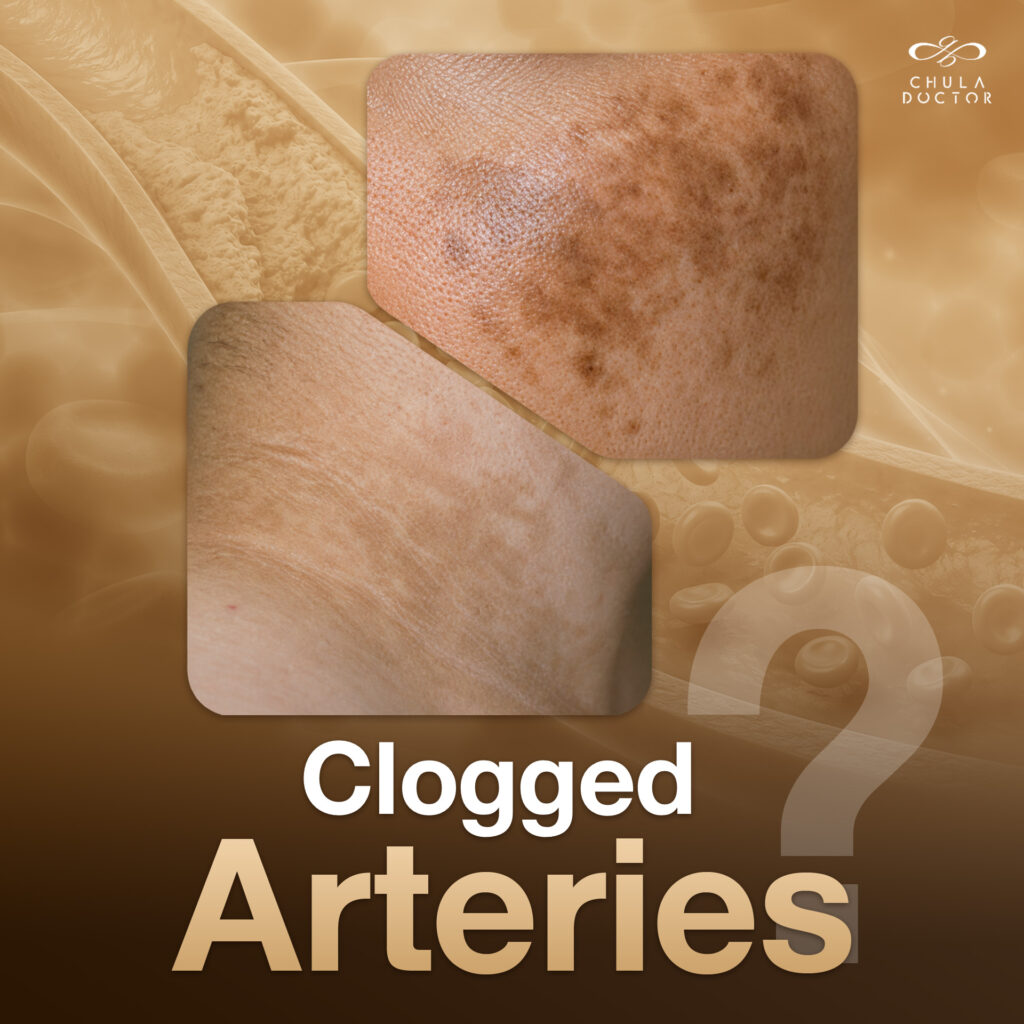
Among the chronic health problems facing people today, clogged arteries are a particularly dangerous silent threat. In the early stages, they rarely cause any obvious pain. Over time, however, damage inside the blood vessels slowly builds up until blood flow becomes seriously restricted or blocked. This can lead to a medical emergency such as a heart attack or stroke, which can become life-threatening within minutes.
Understanding what clogged arteries are and what causes them is an important first step in preventive health care. This article takes a closer look at how the problem develops, the warning signs and symptoms of clogged arteries, and how to prevent clogged arteries with practical steps you can use in everyday life.
What Are Clogged Arteries?
Clogged arteries (also called arterial stenosis or narrowing of the arteries) are a condition in which the inner channel of a blood vessel, especially an artery, becomes narrower than normal. As a result, blood cannot flow freely or in sufficient amounts to the organs and tissues it supplies.
Healthy human arteries are flexible tubes with a smooth inner lining, allowing blood that carries oxygen and nutrients to flow easily throughout the body. When fat, calcium, and other deposits build up on the inner lining of the vessel wall (the endothelium), that smooth surface is lost and replaced by a thick layer known as plaque.
As plaque grows thicker, the artery gradually narrows and loses its elasticity, which raises blood pressure. If the plaque ruptures, the body sends platelets to the site to seal the injury. This forms a blood clot (thrombus) that can completely block the already narrowed artery, eventually causing a sudden loss of blood supply.

What Causes Clogged Arteries?
Clogged arteries do not develop overnight. They are the result of damage to the artery walls that accumulates steadily over many years. The main causes and triggers fall into two groups, lifestyle factors and biological factors, as follows.
1. High Blood Fats (Hyperlipidemia)
LDL (“bad”) cholesterol and triglycerides are among the leading culprits. When there is too much of these fats in the bloodstream, they seep beneath the inner lining of the artery wall, trigger inflammation, and attract white blood cells that engulf the fat. Over time, this becomes a thick plaque inside the artery.
2. High Blood Pressure (Hypertension)
Blood pushing through the arteries at constantly high pressure creates repeated stress that causes tiny injuries to the inner lining. The body tries to repair these injuries by depositing fat and calcium in the area, which makes the artery wall thicker, stiffer, and narrower more quickly.
3. Diabetes and High Blood Sugar (Diabetes Mellitus)
Excess sugar in the bloodstream binds to proteins in the blood vessel structure, forming harmful compounds called advanced glycation end products (AGEs). These cause chronic inflammation in the artery walls, weakening them and reducing their flexibility. People with diabetes also often have abnormal fat metabolism, which makes clogged arteries more likely to develop.
4. Smoking and Secondhand Smoke
Nicotine, carbon monoxide, and other toxins in cigarettes directly damage the cells lining the blood vessels. They cause the vessels to constrict, lower oxygen levels in the blood, and make platelets more likely to clump together, which multiplies the risk of a blocked artery.
5. Chronic Stress and Lack of Sleep
Stress triggers the release of the hormones adrenaline and cortisol, which speed up the heart rate, raise blood pressure, and constrict blood vessels. When this happens often, the blood vessels can wear out faster than normal.
6. Age, Genetics, and a Sedentary Lifestyle
As we age, the structure of our blood vessels naturally deteriorates. A family history of heart disease or stroke adds genetic risk. In addition, a lack of exercise slows down the metabolism, making it easier for fat to build up in the arteries.

What Are the Symptoms of Clogged Arteries in Each Major Organ?
Because arteries run throughout the entire body, the symptoms of clogged arteries depend on which organ the affected artery supplies. The organs most commonly affected are the heart, the brain, and the limbs.
1. Coronary Artery Disease
When the arteries that supply the heart muscle become narrowed, the body shows warning signs when the heart has to work harder, such as during exercise or moments of excitement.
- A feeling of tightness, heaviness, or pressure in the chest
- Chest pain that may spread to the left shoulder, left arm, jaw, or back
- Tiring more easily than usual and feeling short of breath with exertion
- Cold sweats, feeling faint, or dizziness
2. Cerebrovascular Disease
If the arteries that supply the brain become narrowed, brain cells can be starved of oxygen. Watch for the warning signs using the FAST method.
- F (Face): Facial drooping, a drooping corner of the mouth, or an uneven smile.
- A (Arms): Weakness in an arm or leg, inability to lift it, or numbness on one side of the body.
- S (Speech): Slurred speech, difficulty speaking, or speech that does not make sense.
- T (Time): If any of these signs appear, call emergency services right away. Stroke treatment works best when started within the first few hours.
3. Peripheral Artery Disease
This most often affects the arteries that supply the legs, causing symptoms such as:
- Aching, tightness, or cramping in the calf or hip muscles while walking that goes away with rest
- Cold feet and lower legs, dry or flaky skin on the legs, or skin that turns purplish or dark
- Wounds on the feet or legs that heal more slowly than usual, or tissue death (gangrene) due to a lack of blood supply
Symptoms of Clogged Arteries by Location
| Affected Artery | Key Warning Signs | Critical Risk |
|---|---|---|
| Heart arteries | Chest tightness, pain spreading to the left arm | Sudden heart attack |
| Brain arteries | Facial drooping, weakness in the arms or legs | Partial or full paralysis |
| Leg arteries | Calf pain when walking, cold legs | Chronic wounds, gangrene |
What Complications Can Develop If Clogged Arteries Go Untreated?
If clogged arteries are left without proper diagnosis and treatment, the plaque will keep growing thicker or may rupture, causing platelets to gather and form a blockage. This can lead to life-threatening complications, including:
- Heart attack (myocardial infarction): A severe lack of blood flow to the heart causes heart muscle cells to die, which can lead to heart failure or sudden cardiac arrest.
- Ischemic stroke: When blood cannot reach the brain, brain cells begin to die within minutes, which can result in permanent disability, partial or full paralysis, or death.
- Severe high blood pressure and kidney failure: If the arteries supplying the kidneys become narrowed, the kidneys release hormones that rapidly raise blood pressure. Their ability to filter waste also declines, which can lead to chronic kidney failure.
- Limb amputation: In people with severe peripheral artery disease, a prolonged lack of blood supply can cause the tissue in the feet to die. When it can no longer be saved, amputation may be needed to prevent a bloodstream infection.

Want to Know How to Prevent Clogged Arteries Through Daily Habits?
Although blood vessels naturally age over time, you can start learning how to prevent clogged arteries right away by changing your daily habits. These changes can help slow down and limit the buildup of plaque.
1. Follow an Anti-Inflammatory Diet
- Cut down on saturated and trans fats: Avoid fatty meats, deep-fried and oily stir-fried foods, and baked goods made with shortening or margarine.
- Add healthy fats: Eat foods rich in omega-3 fatty acids, such as oily fish (salmon, tuna), as well as avocado, olive oil, and a variety of nuts, to help lower bad fats in the bloodstream.
- Choose high-fiber foods: Vegetables, low-sugar fruits, brown rice, and whole grains help trap fat and sugar in the digestive system and reduce how much is absorbed into the bloodstream.
- Limit sodium: Cut back on very salty foods, processed foods, and MSG to help keep your blood pressure in a healthy range.
2. Do Regular Aerobic Exercise
Exercise such as brisk walking, jogging, cycling, or swimming for at least 30 minutes a day, 3–5 days a week, helps boost blood circulation, allows the blood vessels to dilate, improves the elasticity of the artery walls, and helps burn excess body fat.
3. Quit Smoking and Avoid Pollution
Quitting smoking is a key step in stopping further damage to your blood vessels. Within just a few weeks of quitting, blood pressure and circulation begin to improve. You should also avoid drinking too much alcohol.
4. Keep Your Weight and Blood Sugar in a Healthy Range
Aim to keep your body mass index (BMI) between 18.5 and 22.9, the healthy range commonly used for Asian adults. Check your fasting blood sugar regularly, especially if you have a family history of diabetes.
5. Manage Stress and Get Quality Sleep
Practice ways to relax, such as meditation, yoga, or hobbies, and aim for 7–8 hours of sleep each night so your heart and blood vessels have a chance to recover.
6. Get an Annual Health Checkup to Assess Your Risk
Have a health checkup at least once a year, with a focus on blood pressure, a full lipid profile, and HbA1c (average blood sugar). For people at higher risk, a doctor may recommend additional tests such as an electrocardiogram (EKG), a carotid Doppler ultrasound, or a coronary artery calcium (CAC) score.
How Can You Keep Your Arteries Healthy for the Long Term?
Blood vessel deterioration is no longer a distant concern. Understanding what clogged arteries are and what causes them helps you recognize the risks hidden in everyday habits. A weakened circulatory system is not caused by aging alone. It is the result of fat buildup, high blood pressure, and the various pollutants we are exposed to every day.
Now that you know the symptoms of clogged arteries, see a doctor promptly if you notice warning signs such as chest tightness, tiring easily, or temporary weakness. At the same time, put these tips on how to prevent clogged arteries into practice in your daily life, from eating nutritious food and exercising consistently to avoiding cigarettes and getting enough rest. Caring for your blood vessels starting today is a worthwhile investment in your health, helping you stay strong, live longer, and lower your risk of serious disease in the future.